
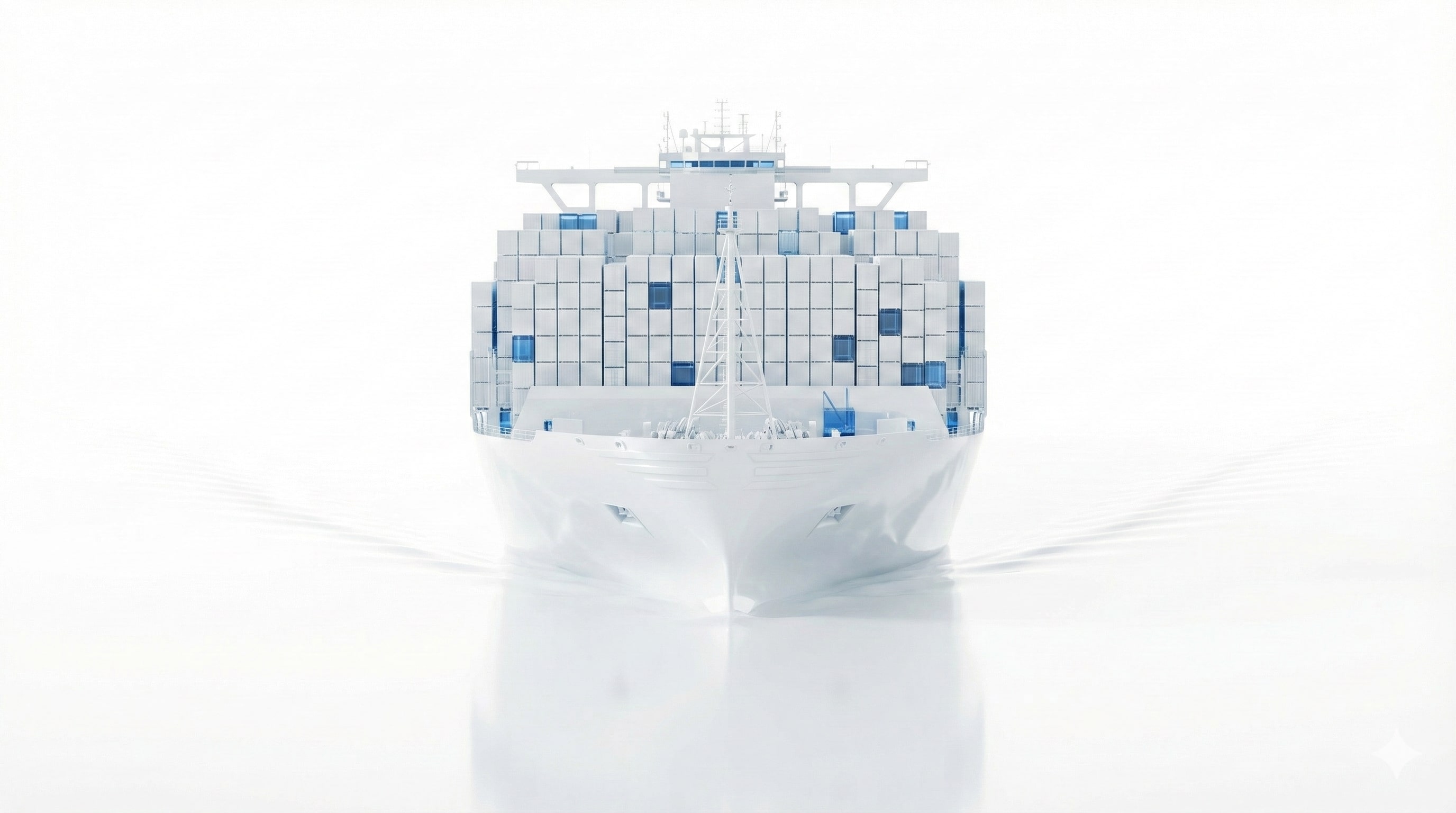
International container shipping in 2026 demands unprecedented operational agility. Supply chain managers are navigating evolving carrier alliances, dynamic bunker adjustment factors (BAF), and tightening port turnaround windows. To maintain commercial competitiveness, Indian exporters are increasingly shifting from fragmented single-mode transit toward disciplined multimodal choreography.
Key Strategic Takeaway
Coordinating inland container depot (ICD) rail movements directly with vessel cut-off dates at gateway ports can reduce demurrage risks by up to 34% compared to ad-hoc road drayage.
1. The Power of Integrated ICD Rail Connections
For northern and central manufacturing clusters, including Ludhiana, Delhi-NCR, and Punjab industrial zones, moving export containers via scheduled container train services to western gateway ports (Nhava Sheva and Mundra) provides superior schedule predictability.
Unlike highway transport, which is vulnerable to border checkpoint congestion, weather disruptions, and driver availability constraints, rail corridors operate on dedicated freight freight corridors with scheduled rake placements.
2. Synchronizing Port Cut-Offs with Carrier Allotments
A frequent source of unexpected expense is "shut-out" cargo—containers that arrive at the port terminal after the vessel's terminal gate has closed. When this occurs, the shipper faces hefty ground rent, shifting charges, and customs roll-over fees.
RAIVEGA’s planning discipline addresses this vulnerability through structured timeline mapping:
- Pre-Advise Audit: Verifying shipping bill clearance before the container is dispatched from the inland stuffing facility.
- Buffer Window Allocation: Enforcing a mandatory 36-hour buffer between rake arrival at the port terminal and vessel closing.
- Dual Carrier Space Allocation: Securing alternate carrier bookings on high-frequency rotations (e.g. India-Middle East or India-Europe) to protect timely boarding.
3. Proactive Documentation & Port Pre-Clearance
With customs authorities globally modernizing through automated risk management systems, complete paperwork integrity is paramount. Errors in tariff classification, valuation, or country-of-origin certificates trigger inspection holds that jeopardize sailing dates.
Working closely with experienced freight forwarding specialists ensures that all export declarations, commercial invoices, and shipping bills are verified concurrently with cargo packing, ensuring instantaneous gate pass generation upon port arrival.
Need Tailored Multimodal Planning for Your Cargo?
Connect with the RAIVEGA pricing and operations desk for custom lane analysis and instant container rates.